Alert
First aid with no hospital, poison, venom, dirty water, and the first three days. Written to work in the dark with no signal.
This is field care, not a license. If 911 or Poison Control (1-800-222-1222) still answer, use them. Never eat a wild plant or mushroom on this app alone.
No hospital
Stop the thing that kills in the next hour. Then keep them warm, clean, and drinking.
The first ten minutes
Airway, bleeding, shock, choking, and CPR — what you do before anything else when there is no ambulance.
9 min read
Wounds, infection, and teeth
Clean water does more than thread. How to wash, when to close, and how to tell a cut from a killer.
10 min read
Breaks, burns, and cold injury
Splint it as it lies. Cool a burn with water, not grease. Frozen fingers get thawed once.
8 min read
Fever, gut, heat, and cold
Most homestead deaths after the first week are water, fever, heat stroke, or a chest that nobody watched.
10 min read
The medicine chest
What to put in a Dillsboro kitchen box now, while the drugstore still opens.
7 min read
Do this first
The first 72 hours
If the power dies and does not come back. Dillsboro-specific, in order.
Water in this county
Wells, cisterns, rain, Laughery Creek, and how not to drink a hospital visit.
Wood, heat, and a tight house
The oak-hickory ridges are a furnace if you cut them early and burn them dry.
A year on this ground
If this is not three days but the rest of your life. A Dearborn County homestead year.
Tools worth owning
A short list. If it isn’t on here, you probably don’t need two of them.
Hazard plates
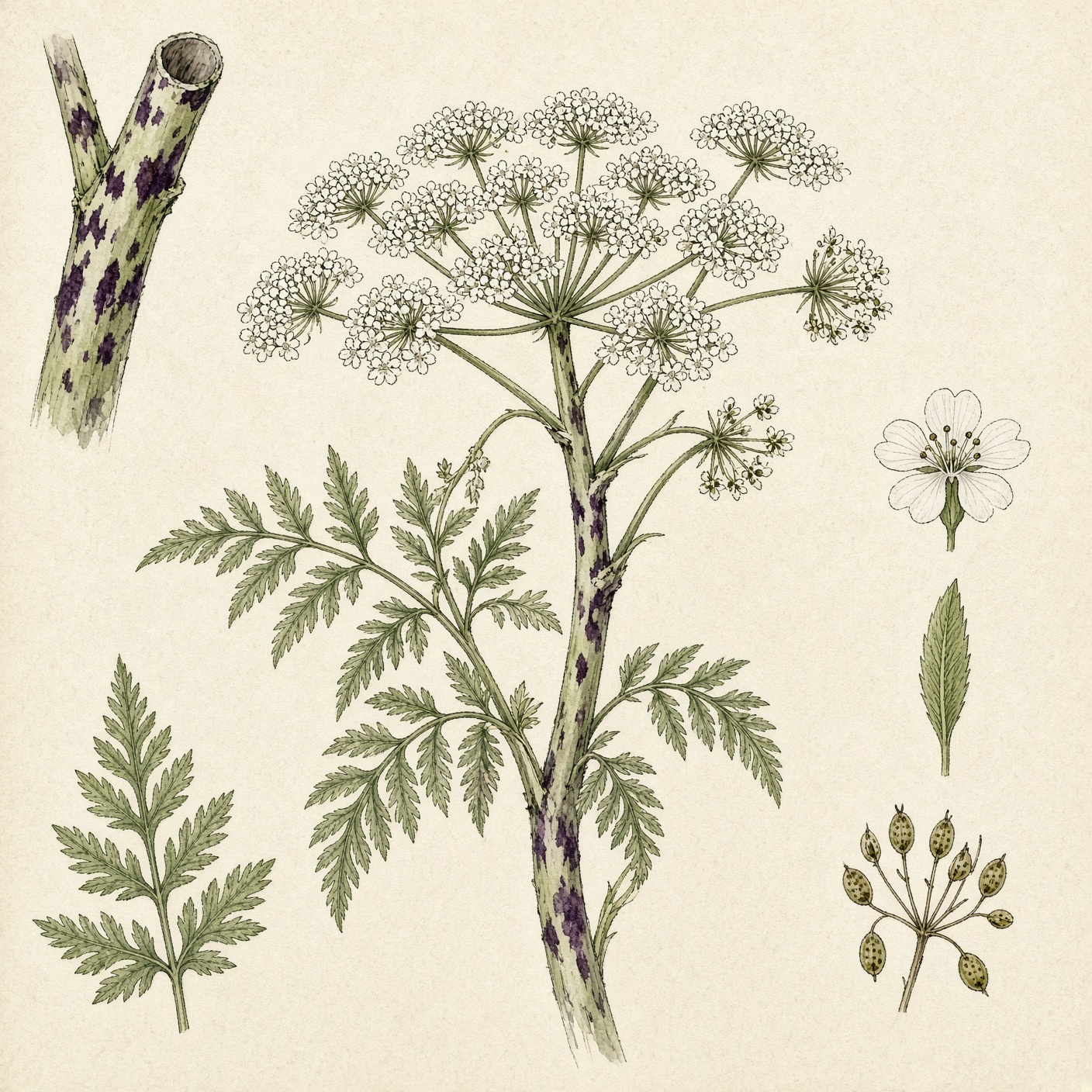
Poison hemlock
Conium maculatum
Purple-splotched hollow stems, lacy leaves, white umbels. Deadly. Do not touch your mouth after handling.
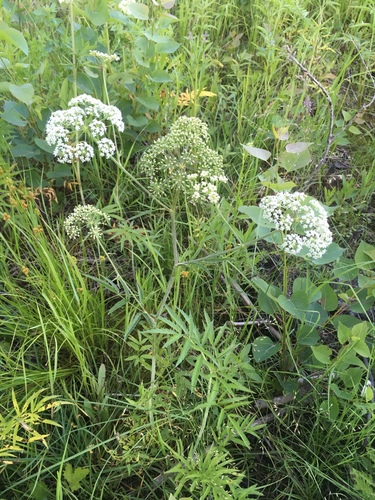
Water hemlock
Cicuta maculata
The most violently toxic plant in Indiana wetlands. Chambered root, purple-streaked stems.
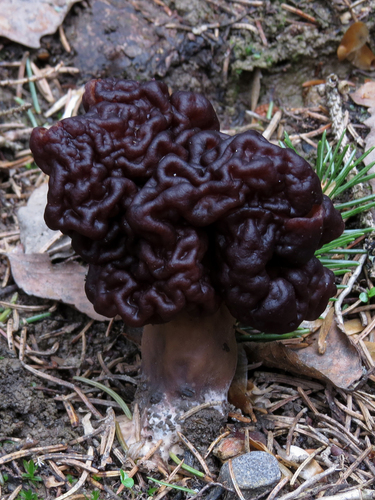
False morel
Gyromitra spp.
Wrinkled brain cap, stuffed stem. Contains gyromitrin, which becomes monomethylhydrazine.
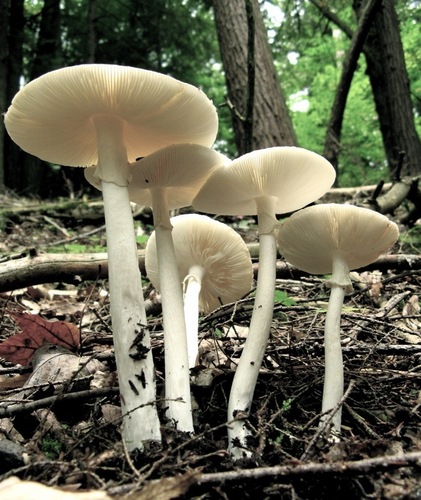
Destroying angel
Amanita bisporigera
Pure white amanita. Cup at the base, ring on the stem. Liver-killing. Looks like a button mushroom if you are careless.
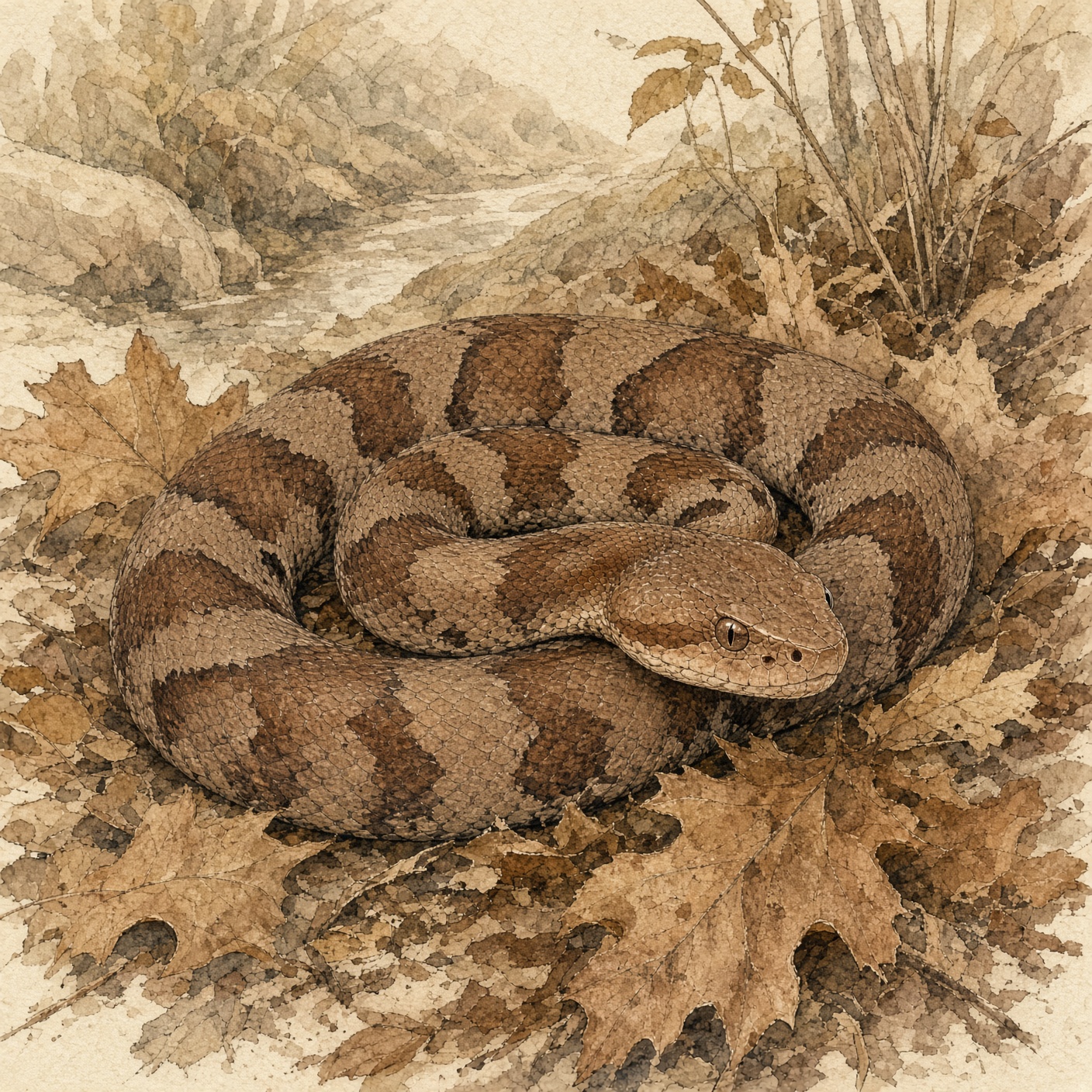
Eastern copperhead
Agkistrodon contortrix
The venomous snake you will actually meet in Dearborn County. Chestnut hourglasses on a copper body.
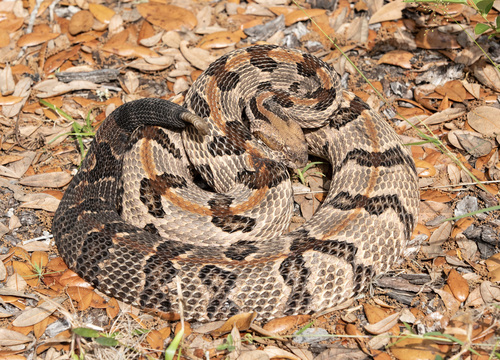
Timber rattlesnake
Crotalus horridus
Rare on these ridges now, still possible in rough Ohio River hills. Rattle, chevron bands, black tail.
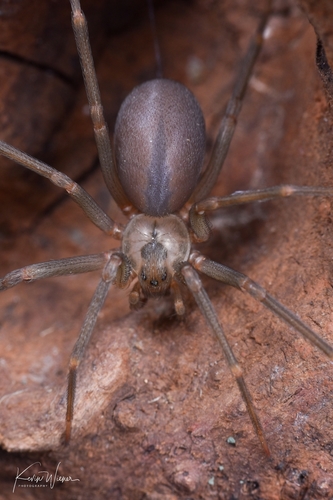
Brown recluse
Loxosceles reclusa
Violin mark, six eyes in pairs. Bites are uncommon and over-diagnosed — still take necrotic wounds seriously.
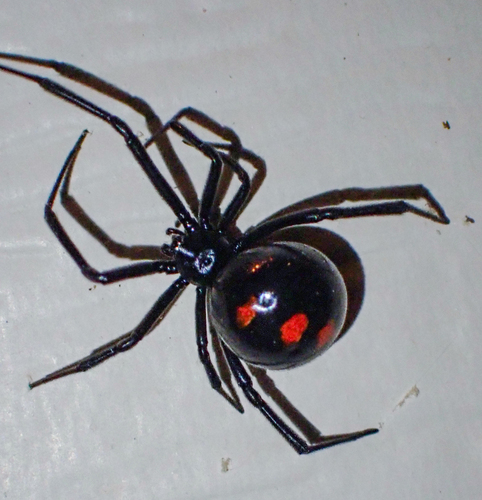
Northern black widow
Latrodectus variolus
Shiny black, red hourglass or split spots on the belly. Neurotoxic bite. Rarely fatal now, still an ER visit.
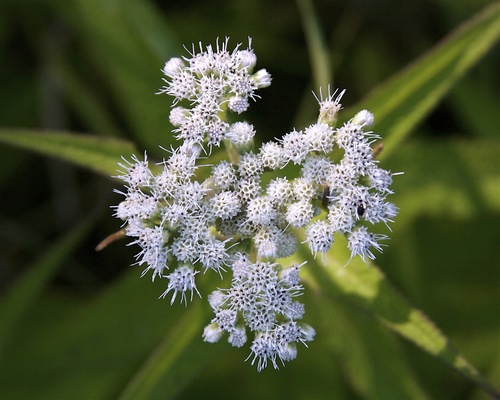
White snakeroot
Ageratina altissima
Shade wildflower that makes milk poisonous. Caused milk sickness on the Indiana frontier.
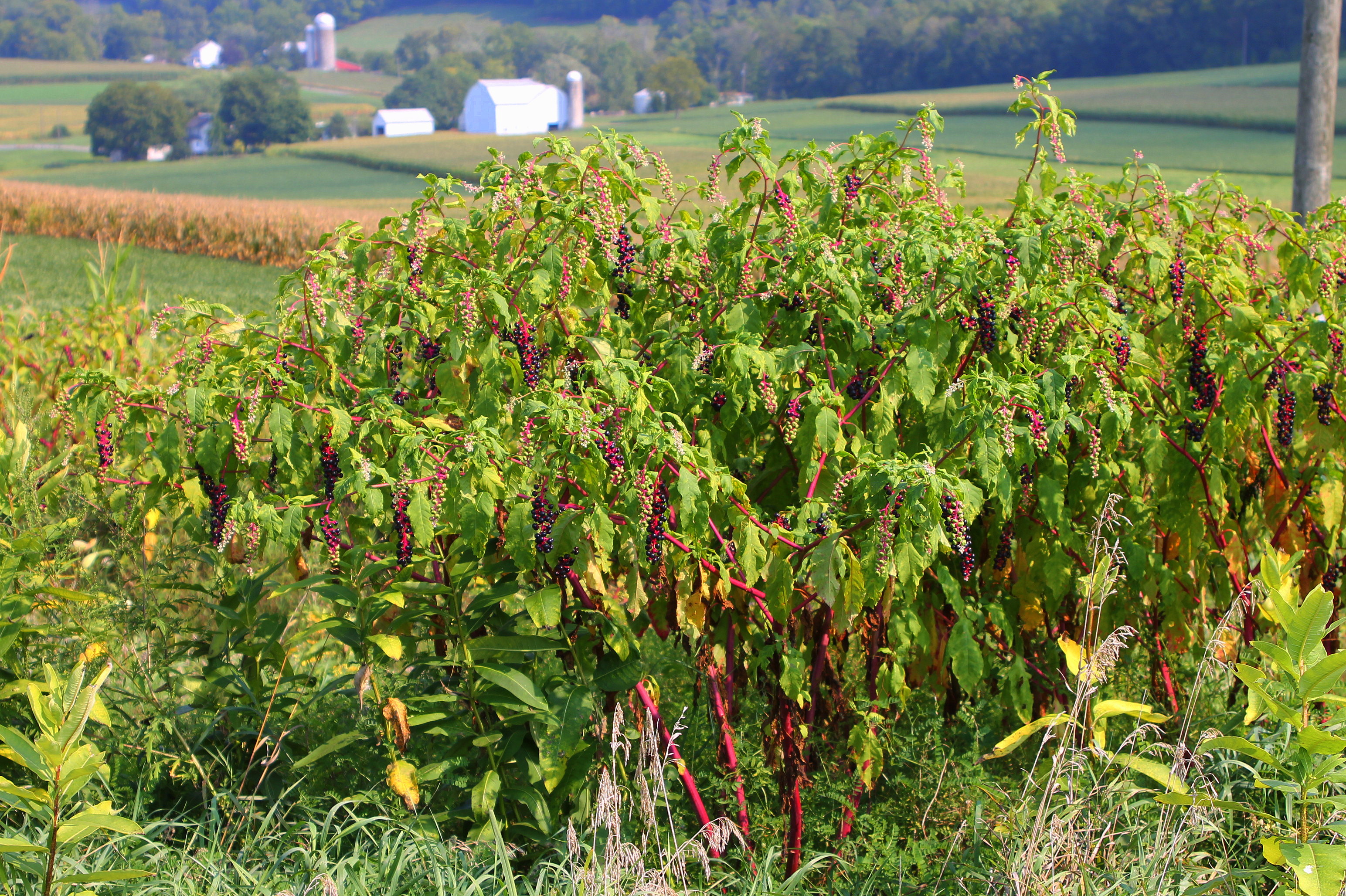
Pokeweed
Phytolacca americana
Magenta stems, black-purple berries. Young shoots were cooked as poke sallet; roots and berries are toxic.
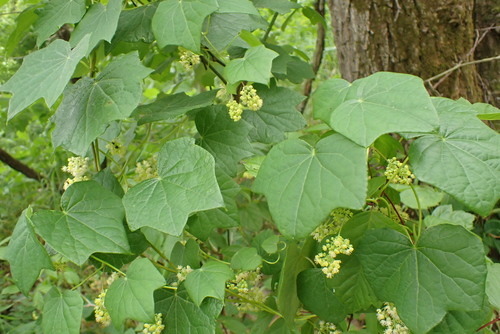
Canada moonseed
Menispermum canadense
Grape lookalike with no tendrils and a crescent seed. Fruit is poisonous.
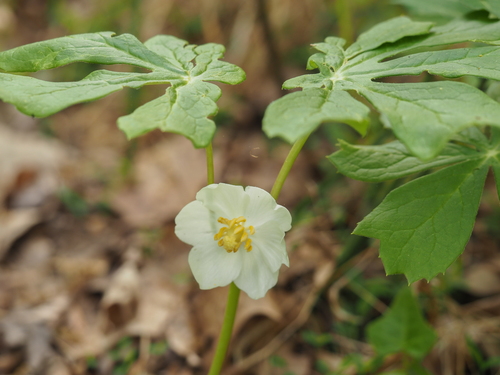
Mayapple
Podophyllum peltatum
Umbrella leaves in colonies. Only the ripe yellow fruit is edible; the rest is toxic.
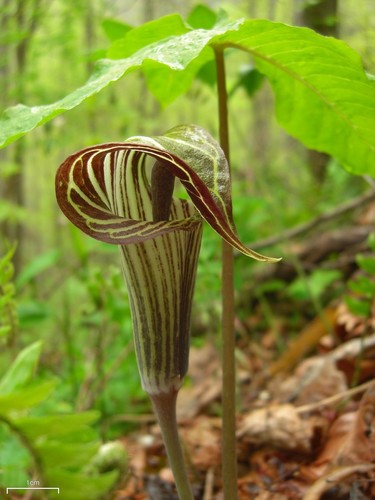
Jack-in-the-pulpit
Arisaema triphyllum
Hooded pulpit flower, three leaflets, clusters of red berries. Calcium oxalate — do not eat raw.
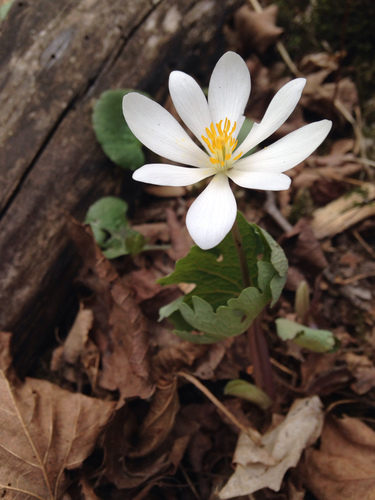
Bloodroot
Sanguinaria canadensis
Early white flower; orange-red sap. Sap is caustic — not a folk cure to play with.
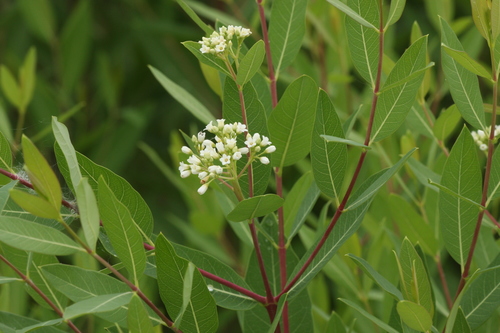
Hemp dogbane
Apocynum cannabinum
Milkweed cousin with branching stems and toxic sap. Superb cordage, bad food.
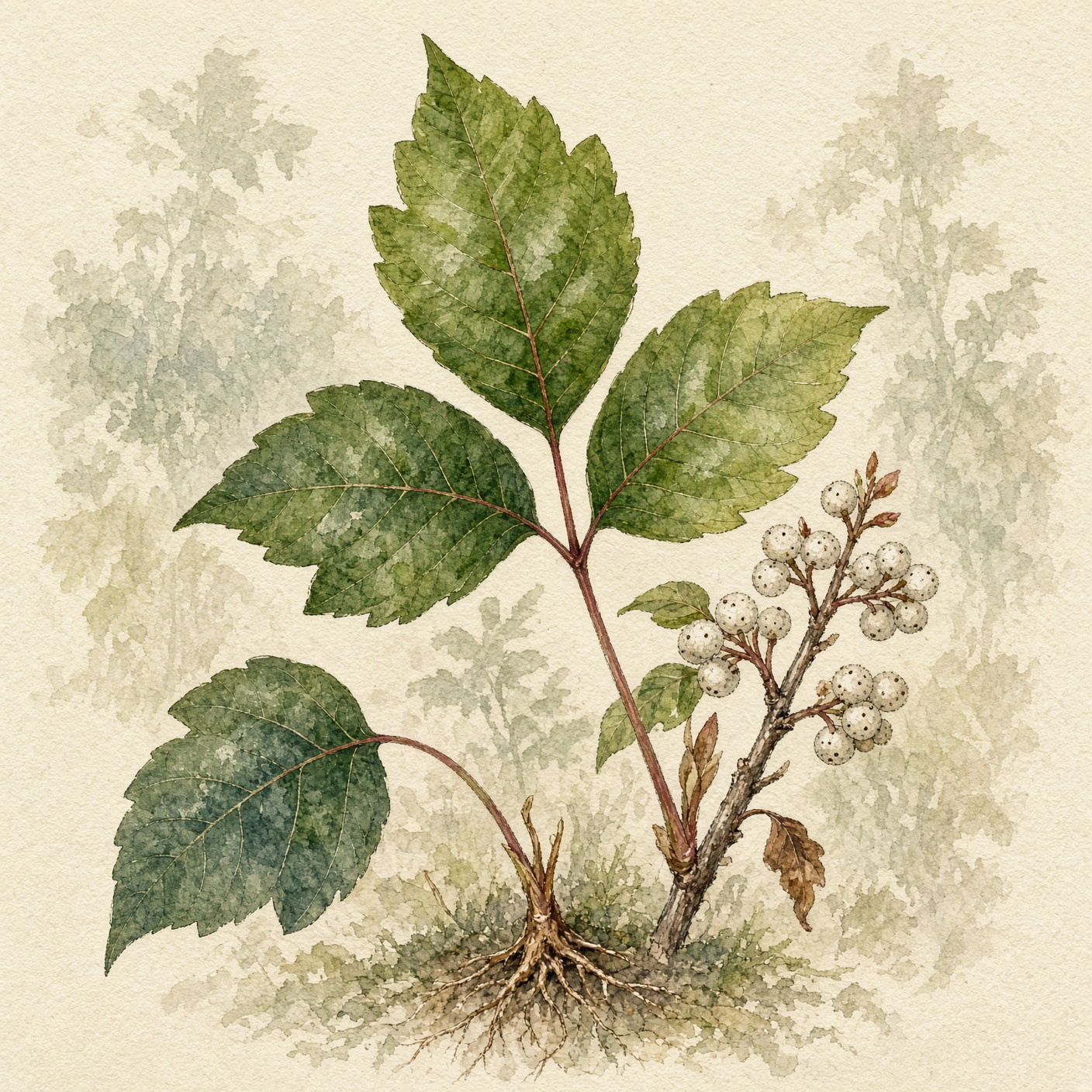
Poison ivy
Toxicodendron radicans
Three leaflets, urushiol oil. The plant that hospitalizes more Hoosiers than any snake.